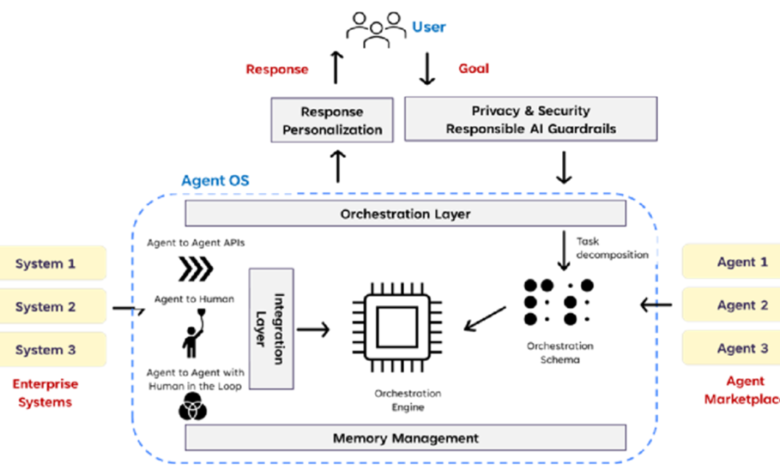
Artificial Intelligence (AI) has rapidly transformed from a futuristic concept into a cornerstone of modern technology. From automating mundane tasks to solving complex problems in industries, AI is revolutionizing the way businesses and individuals interact with technology. Companies like ZBrain are leading the charge in architecting resilient AI agents, enabling smarter, more adaptive systems that redefine efficiency and productivity.
See also: Rock Solid: Why Concrete Matters More Than You Think
Understanding AI and Its Capabilities
AI refers to the simulation of human intelligence in machines that are designed to think, learn, and make decisions. Modern AI spans multiple domains, including natural language processing, computer vision, predictive analytics, and autonomous systems. The versatility of AI allows it to enhance operations in healthcare, finance, logistics, and even creative industries.
Types of Artificial Intelligence
- Narrow AI (Weak AI): Designed to perform a specific task, like language translation or fraud detection.
- General AI (Strong AI): Aims to replicate human cognitive abilities, handling multiple complex tasks simultaneously.
- Superintelligent AI: A theoretical stage where AI surpasses human intelligence and decision-making capabilities.
Architecting Resilient AI Agents
One of the most significant breakthroughs in AI development is the creation of resilient AI agents. These are AI systems that can adapt to changing environments, recover from errors, and maintain operational continuity even under unexpected conditions. ZBrain’s approach to architecting resilient AI agents emphasizes modular design, redundancy, and continuous learning, ensuring that AI can handle complex real-world scenarios with minimal intervention.
Key Features of Resilient AI Agents
- Self-Learning Capabilities: Resilient AI agents can learn from new data and experiences, refining their algorithms to improve performance over time.
- Error Recovery: These agents detect anomalies and correct themselves autonomously without disrupting overall system functionality.
- Scalability: Designed to operate efficiently as tasks and data volumes increase, making them suitable for enterprise applications.
The Role of AI Agents in Modern Business
AI agents are specialized programs that act autonomously to perform tasks, make decisions, and interact with digital environments. They are pivotal in streamlining business processes, reducing human workload, and enhancing operational accuracy. Organizations adopting AI agents can leverage AI agents to optimize workflows, improve customer experiences, and drive innovation.
Applications Across Industries
- Healthcare: AI agents assist in diagnostic imaging, patient monitoring, and personalized treatment plans.
- Finance: Automated trading systems and fraud detection rely on intelligent AI agents to analyze patterns and execute decisions quickly.
- Logistics: AI-driven route optimization, inventory management, and predictive maintenance enhance supply chain efficiency.
- Customer Service: Virtual assistants and chatbots powered by AI agents provide real-time support and personalized recommendations.
Challenges in Implementing AI
Despite its advantages, AI integration presents certain challenges that businesses must address:
- Data Privacy and Security: AI systems require vast amounts of data, raising concerns about sensitive information protection.
- Bias and Fairness: Algorithms can inherit biases present in the training data, impacting decision-making and fairness.
- Technical Complexity: Building and maintaining AI systems, especially resilient AI agents, requires specialized expertise and infrastructure.
- Ethical Considerations: Responsible AI development must consider the societal and ethical impact of autonomous decision-making.
Overcoming These Challenges
Organizations can overcome these hurdles by adopting a structured AI development framework, prioritizing transparency, and implementing robust monitoring systems. ZBrain’s solutions focus on ensuring that AI agents are both ethical and resilient, creating trust and reliability in AI-driven processes.
Future of AI: Trends to Watch
The next decade promises transformative advancements in AI, with several emerging trends shaping the industry:
- Explainable AI (XAI): Enhances transparency, helping humans understand how AI systems arrive at decisions.
- AI-Powered Automation: Expands beyond repetitive tasks to strategic business functions.
- Edge AI: Enables real-time data processing on devices rather than relying solely on centralized cloud computing.
- Collaborative AI: AI agents working alongside humans, augmenting rather than replacing human decision-making.
Preparing for an AI-Driven World
Businesses and professionals must adapt to leverage AI effectively. Investing in AI literacy, embracing innovative AI agents, and prioritizing resilient architectures will be key to gaining a competitive edge.
Conclusion
Artificial Intelligence is no longer a distant innovation—it’s a present-day necessity. From resilient AI agents capable of autonomous learning to AI agents transforming industry operations, the potential of AI is limitless. Companies like ZBrain are at the forefront, helping organizations build architectures that are resilient, scalable, and adaptive, ensuring that AI delivers tangible value across every sector.
By understanding and integrating AI thoughtfully, businesses can not only optimize their operations but also pioneer the next wave of technological innovation. The future is intelligent, autonomous, and adaptive, and AI is leading the charge.